Early Life and Southern Roots
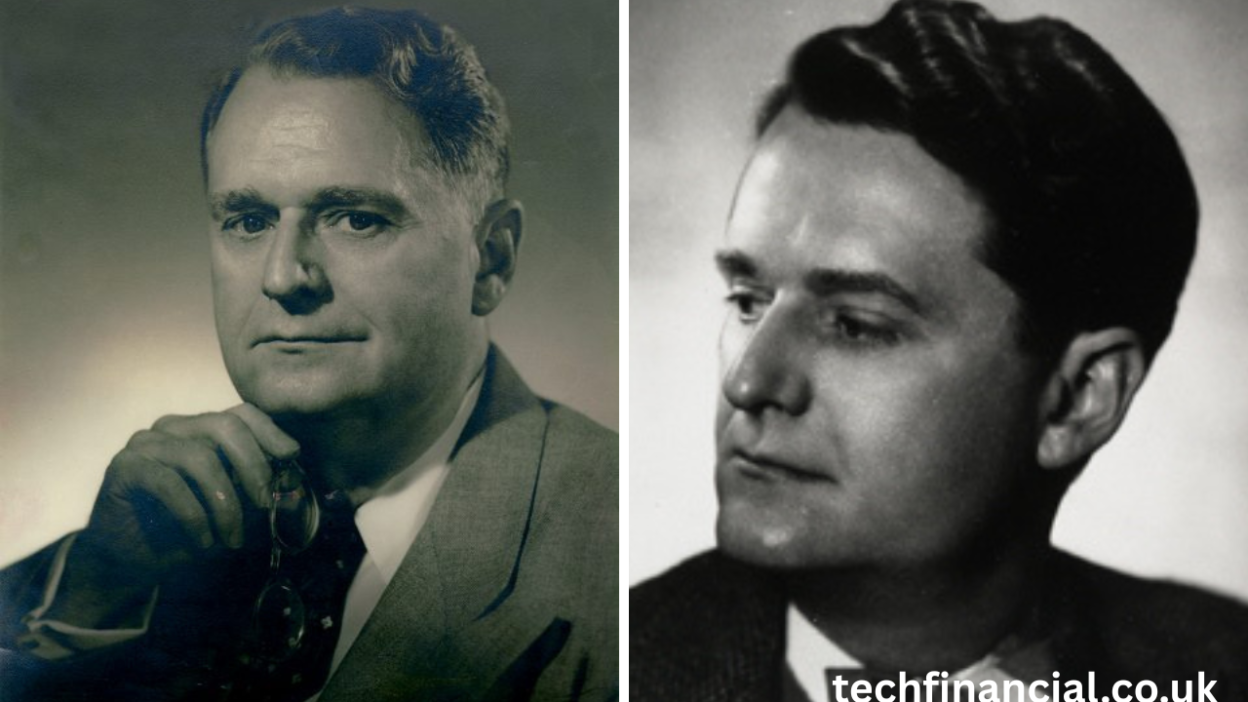
William John March was born as William Edward Campbell in the small town of Mobile, a place that would later influence much of his fictional landscape. Growing up in a large family with limited financial resources, his childhood was marked by instability and hardship. These early struggles shaped his emotional sensitivity and sharpened his observation of human behavior, which later became central to his writing style.
His upbringing in the American South exposed him to a society deeply rooted in tradition, social hierarchy, and unspoken tensions. The cultural environment of Alabama provided him with rich material, from complex family dynamics to social inequalities. These elements would later appear in his fictional settings, particularly in his depiction of Southern life and moral conflict.
Despite having little formal education in his early years, March showed a natural inclination toward storytelling. He absorbed the world around him with quiet intensity, developing an inner life that would later translate into deeply psychological narratives. His early experiences became the foundation upon which his literary voice was built.
Education and Self-Made Intellectual Growth
William March’s path to education was unconventional and filled with obstacles. Financial limitations forced him to leave formal schooling early, and he spent much of his youth working various jobs to support himself. However, his lack of formal education did not hinder his intellectual curiosity, which remained strong throughout his life.
He eventually attended Valparaiso University and later studied law at the University of Alabama. Although he could not complete his studies due to financial constraints, these experiences exposed him to literature, philosophy, and critical thinking. His time in academic environments helped refine his understanding of human nature and social structures.
More importantly, March was largely self-educated. He read extensively, particularly in psychology and literature, which deeply influenced his writing style. This self-driven intellectual growth allowed him to develop a unique perspective, blending emotional depth with analytical insight in his fiction.
War Experience and Its Lasting Psychological Impact
March’s life took a dramatic turn when he enlisted in the U.S. Marine Corps during World War I. His time in combat exposed him to the horrors of war, leaving a profound psychological impact that would define much of his literary work. Unlike many writers who focused on heroism, March was more interested in the emotional and mental toll of warfare.
During his service, he displayed remarkable bravery and received several prestigious honors, including the Distinguished Service Cross and the Navy Cross. While these awards recognized his courage, they also symbolized the intense and often traumatic experiences he endured on the battlefield. These moments stayed with him long after the war ended.
The war fundamentally changed March’s worldview. It deepened his understanding of fear, guilt, and human vulnerability. These themes became central to his writing, allowing him to explore the inner struggles of individuals in extreme situations with authenticity and emotional power.
Transition from Business Career to Writing
After returning from the war, March initially pursued a successful career in business, working for a shipping company. Despite his professional achievements, he felt an internal pull toward creative expression. Writing became a way for him to process his experiences and give voice to the thoughts and emotions he had carried since the war.
His early attempts at writing were modest, but they quickly gained attention for their depth and originality. He began publishing short stories in literary magazines, gradually building a reputation as a serious writer. His ability to capture complex psychological states set him apart from many of his contemporaries.
This transition from business to literature was not just a career change but a personal transformation. Writing allowed March to explore his inner world and confront the memories that haunted him. It became both a creative outlet and a means of understanding himself and the human condition.
Breakthrough with Company K
March achieved literary recognition with the publication of Company K, a groundbreaking novel based on his wartime experiences. Unlike traditional war narratives, the book presented a fragmented series of voices, each offering a different perspective on the same events. This innovative structure gave readers a multifaceted view of war.
The novel focused not on battlefield victories but on the psychological damage inflicted on soldiers. It portrayed fear, confusion, and moral ambiguity with striking honesty. This approach challenged the romanticized image of war and offered a more realistic depiction of its consequences.
Company K was praised for its originality and emotional depth. It established March as a significant voice in war literature and demonstrated his ability to blend narrative experimentation with psychological insight. The novel remains one of his most important contributions to American literature.
Exploration of Southern Life and Human Nature
In addition to war themes, March explored the complexities of Southern society in his fiction. His works often depicted small communities where social expectations and hidden tensions shaped individuals’ lives. These settings allowed him to examine issues such as class, race, and family dynamics.
His portrayal of Southern life was neither romanticized nor overly critical. Instead, he presented it with nuance, highlighting both its beauty and its flaws. This balanced perspective made his work relatable and thought-provoking, encouraging readers to reflect on the complexities of human relationships.
Through his Southern narratives, March demonstrated a deep understanding of human nature. He explored how environment and upbringing influence behavior, revealing the subtle forces that shape individuals’ choices and identities.
The Bad Seed and Psychological Horror
March’s most famous work, The Bad Seed, marked a departure from his earlier themes while maintaining his focus on human psychology. The novel tells the story of a seemingly innocent child who exhibits disturbing and dangerous behavior, raising questions about the nature of evil.
The book explored the idea of whether evil is inherent or learned, a theme that resonated deeply with readers. Its chilling narrative and psychological depth made it a bestseller and brought March widespread recognition. The story’s unsettling nature challenged conventional ideas about innocence and morality.
The Bad Seed was later adapted into a successful stage play and film, further cementing its place in popular culture. Its impact extended beyond literature, influencing discussions about psychology, parenting, and the origins of human behavior.
Literary Style and Psychological Depth
William March is often associated with psychological realism, a style that emphasizes the inner thoughts and emotions of characters. His writing delves deeply into the human mind, exploring fears, desires, and moral conflicts with remarkable precision.
His narrative style is characterized by simplicity and clarity, allowing the emotional weight of his stories to take center stage. He avoided elaborate language, instead focusing on creating authentic and relatable characters. This approach made his work accessible while maintaining its intellectual depth.
March’s ability to combine psychological insight with compelling storytelling set him apart as a unique literary voice. His work continues to be studied for its exploration of human consciousness and its contribution to modern fiction.
Critical Reception and Literary Recognition
During his lifetime, March received critical acclaim from literary circles, although he did not achieve widespread commercial success until later in his career. Critics praised his originality, emotional depth, and willingness to tackle difficult subjects.
Notably, Alistair Cooke described him as one of the most underrated American writers of his time. Such recognition highlighted the respect he commanded among intellectuals and fellow writers. His work was seen as both innovative and deeply human.
Over time, his reputation has grown, and his contributions to literature have been more widely acknowledged. Today, he is recognized as an important figure in American literary history, particularly in the fields of war literature and psychological fiction.
Read more: Brianna Hammonds: Biography, Career, Family Life, and Rising Public Interest
Legacy and Enduring Influence
William March’s legacy lies in his ability to reveal the complexities of the human mind through literature. His works continue to resonate with readers because of their timeless themes and emotional honesty. He offered insights into human nature that remain relevant in modern society.
His influence can be seen in later writers who explore psychological depth and moral ambiguity. By focusing on the inner lives of his characters, March helped shape the direction of modern fiction, encouraging a more introspective approach to storytelling.
Although he passed away in 1954, his work lives on through continued study and appreciation. Novels like Company K and The Bad Seed remain essential reading for those interested in understanding the psychological dimensions of literature and the enduring power of storytelling.